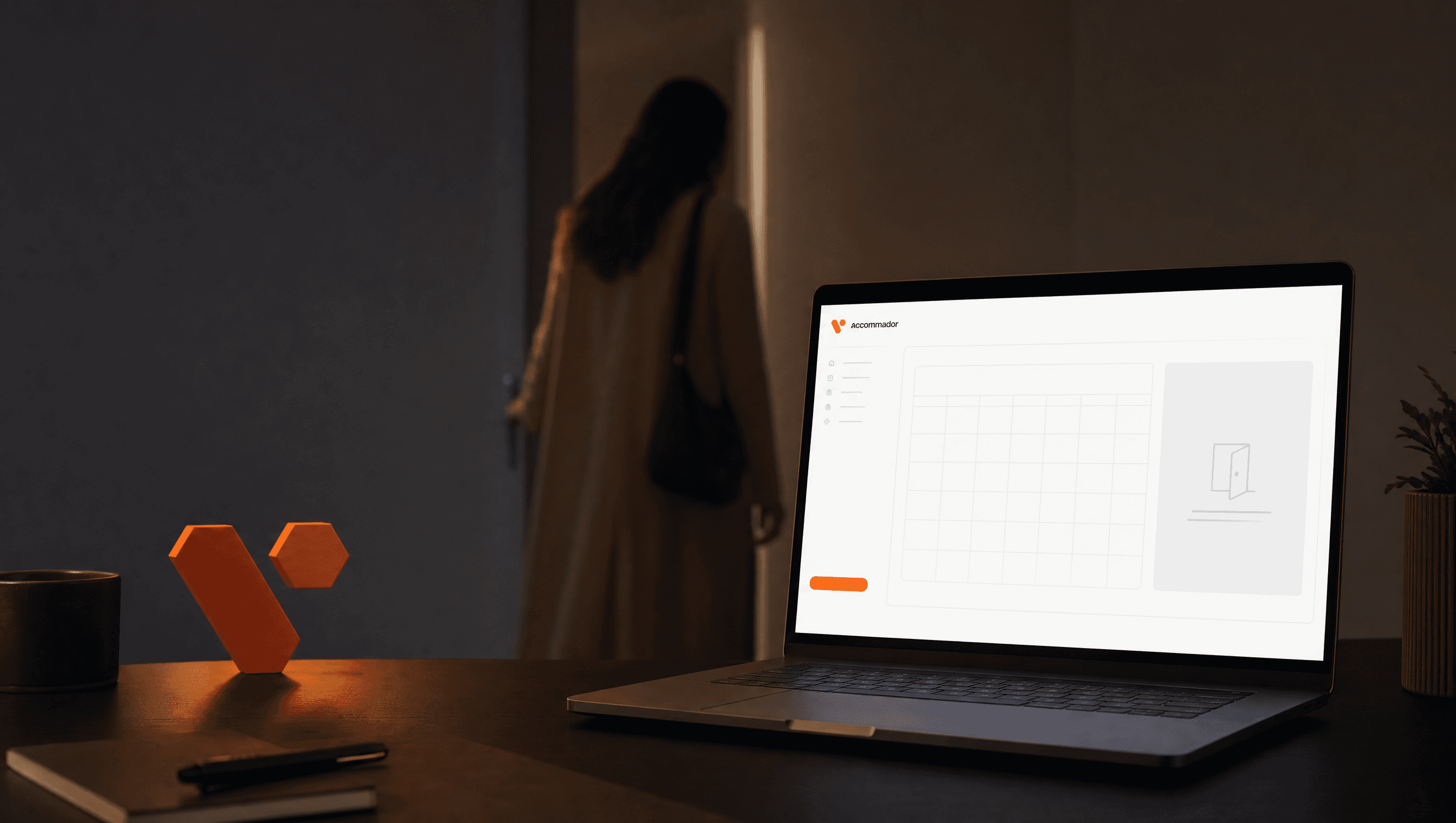
Picture a 14-room cabin lodge on a river somewhere in regional Australia. It's a Friday in peak season. A guest pulls in at 11pm after a four-hour drive — confirmation email on their phone, kids asleep in the back seat. The cabin they booked is occupied. It sold an hour earlier through a different channel, to a couple who also have a confirmation email.
Two channels. One room. Both said "available" at the moment of booking, because neither knew about the other in time.
The owner-operator, woken by the call, has no spare cabin. The late-arriving family gets a refund, a grovelling apology, and a long drive to find somewhere else. A week later the 1-star review lands: "Booked and confirmed, turned away at midnight." That review sits at the top of the listing for months, quietly costing future bookings that never even enquire. Nobody was careless. The owner did everything right. The system underneath them just wasn't fast enough.
Why double-bookings actually happen
Double-bookings are almost never a human mistake at the front desk. They're a timing and source-of-truth problem. Three causes do most of the damage.
Lag between channels. When a room sells on one channel, every other channel has to be told to close that room. If the connection between them is slow — polling every few minutes, or worse, batching updates — there's a window where two channels both believe the room is open. In a quiet week that window never bites. On a peak Friday night, two bookings can land inside it.
Manual calendar updates. Plenty of small operators still patch availability by hand: a spreadsheet, a wall planner, logging into each OTA extranet separately to close dates. Every manual step adds delay and a chance to forget one. Close the room on Booking.com, get distracted, never close it on the direct site — and you've armed the trap yourself.
No central source of truth. If your direct booking engine, your OTAs and your PMS each hold their own version of "what's available," there is no single calendar that's authoritative. When versions disagree, the guest standing in your car park at 11pm is how you find out.
The fix for all three is the same: one calendar that every channel reads from and writes to in real time, plus a system actively watching for clashes rather than waiting for a guest to surface them.
The fix: real-time sync across every channel
Accommador connects every channel you sell on to a single availability calendar. When a room sells anywhere, that calendar updates and pushes the change out to every connected channel — so the next search on any other channel already sees the room as gone. The window where two channels both think a room is open shrinks to as close to zero as the connection allows.
This is worth dwelling on, because the channel manager is usually the most expensive standalone tool an operator pays for, and it's often gated behind a demo before you can even see a price. On Accommador it isn't a separate line item or an upsell — it's part of the platform, alongside the PMS, your branded booking engine, payments and Xero reconciliation, for one login and one bill.
A single source of truth is the foundation. But real-time sync alone narrows the danger window; it doesn't actively hunt for the clashes that slip through, like an offline booking entered by hand or two near-simultaneous reservations. That's where conflict detection comes in.
Conflict detection: catching the clash before it burns you
Conflict detection is included too. Instead of trusting that sync was instant and complete, the system watches for overlaps — two reservations claiming the same room and dates, an availability mismatch between a channel and the master calendar — and flags the clash to you immediately, while you can still fix it cleanly.
The difference is everything for the 11pm scenario. With conflict detection, the clash surfaces as an alert at the moment the second booking lands — not as a stranded family in your car park. You move one guest to another room, or reach out before they've left home, or block the offending channel. You handle it on your terms, in daylight, instead of refunding and apologising into a 1-star review.
The same platform also runs a minimum-stay and nearest-bookable-dates engine — the feature that surfaces the three nearest bookable dates when a guest's search misses your min-stay rule, instead of showing "no availability" and sending them to an OTA. For operators with fixed-arrival or min-stay rules, that's the other half of protecting your calendar: you stop losing bookings you never see, and you stop double-selling the ones you do.
What this is really protecting
- A double-booking isn't a one-off cost. Run the numbers and it stacks:
- The refund on the displaced booking.
- The lost revenue if you can't rebook that night.
- The 1-star review that depresses conversion across every channel for months.
- The time spent firefighting at 11pm instead of sleeping.
For an operator already spending on Google and Meta ads to drive direct bookings, that last point stings most. You pay to win the booking, then a sync gap hands the guest a reason to never come back — and warns off the next ten who read the review. Keeping your calendar honest is one of the highest-leverage operations fixes you can make. It's the same logic behind owning more of your bookings directly, and behind closing the OTA commission you're paying on bookings you could win yourself.
How to stop double bookings: a short checklist
- One source of truth. Make sure every channel reads from and writes to a single availability calendar — not separate ones per OTA.
- Real-time sync, not polling. The shorter the gap between a sale and every channel knowing, the smaller the double-booking window.
- Kill manual calendar steps. Every spreadsheet or extranet you update by hand is a chance to miss one. Automate it.
- Turn on conflict detection. Don't rely on sync being perfect — have something watching for overlaps and alerting you fast.
- Mind your stay rules. Min-stay and fixed-arrival rules should win bookings, not silently block them or create gaps.
The reason real-time sync and conflict detection are built into Accommador — rather than sold as a premium add-on — is that a clean calendar is the foundation everything else sits on: your direct booking engine, your OTA distribution, your payments and your Xero reconciliation all read from the same single source of truth. From $500 AUD/mo per location, everything included. Monthly billing, cancel anytime. Start free.